(
(
Behind the Work
Behind the Work
)
)
Stop Designing for Attention. Start Designing for Absorption
Stop Designing for Attention. Start Designing for Absorption
In a world chasing clicks and scrolls, what if your work was designed to be felt, not just noticed?
In a world chasing clicks and scrolls, what if your work was designed to be felt, not just noticed?
by
infinityzone member
3
min read
The Age of Attention Economics
Everything is screaming.
Pop-ups, push notifications, bold headlines, infinite scroll.
Design today often begins with one goal: steal a second.
But seconds aren’t loyalty. Glances aren’t connection.
We’ve mastered how to grab attention — but forgotten how to hold presence.
What Is Absorption, Really?
Absorption is not about distraction. It’s about immersion.
It’s the moment when time softens, focus narrows, and the external world dissolves.
It’s not a flash of stimulus — it’s a depth of experience.
In design, this means:
Flow over friction
Narrative over noise
Texture over trend
Silence over stimulation
Absorption is what turns content into atmosphere.
The Shallow Trap: Designing for Distraction
Design optimized for attention has led us to:
Swipe-first interfaces
Baited headlines
3-second TikTok edits
Hollow “aesthetic”
It's beautiful on the surface — and empty underneath.
When everything is urgent, nothing is sacred.
Principles of Absorptive Design
Designing for absorption means designing for depth.
Some principles:
Slow the scroll: Introduce pacing, not urgency
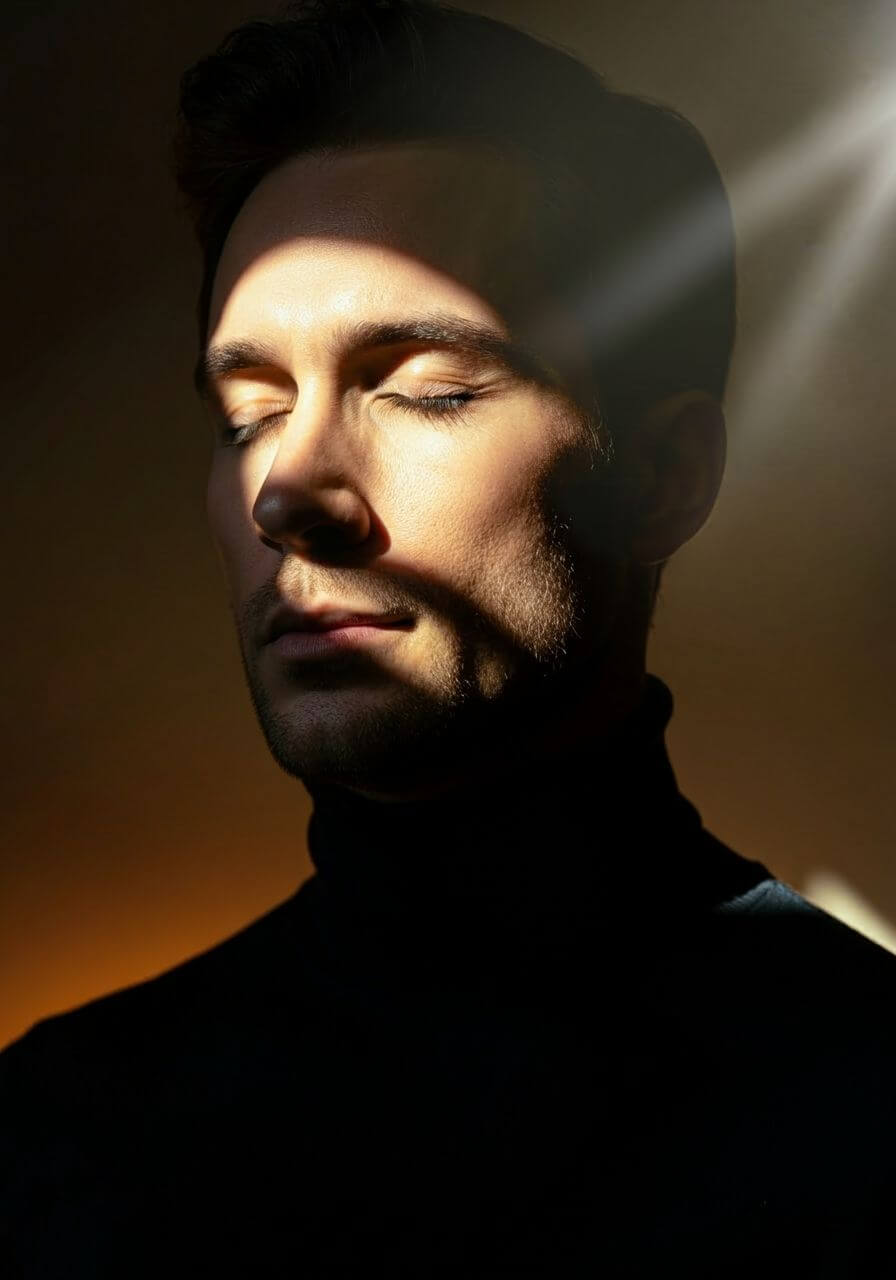
Use visual silence: Embrace space, shadow, stillness
Layered navigation: Let discovery feel earned
Rhythmic motion: Think like a choreographer, not a coder
Resonant language: Write less, mean more
This is where interface becomes environment.
Case Examples: Work That Holds You
A24 Films — Their websites and posters don’t shout. They hum.
Atmos App — The home experience isn’t optimized. It’s orchestrated.
The New York Times Magazine – Editorial layouts you sit with. Not scan through.
InfinityZone – Built not just to explain, but to absorb the visitor into new dimensions.
These aren’t designed to impress.
They’re designed to invite.
Strategic Shifts for Designers and Thinkers
Ask yourself not: Will they click?
But: Will they stay?
Start designing with:
Mood before metric
Story before structure
Experience before exposure
Absorption isn’t efficient.
It’s emotional.
And that’s where the real work begins.
Final Thoughts
The future of design isn’t about grabbing eyes.
It’s about opening portals.
Design for stillness. For depth. For the user who doesn’t want to be rushed — but remembered.
Attention is noise. Absorption is meaning.
And meaning is the only metric that matters now.
The Age of Attention Economics
Everything is screaming.
Pop-ups, push notifications, bold headlines, infinite scroll.
Design today often begins with one goal: steal a second.
But seconds aren’t loyalty. Glances aren’t connection.
We’ve mastered how to grab attention — but forgotten how to hold presence.
What Is Absorption, Really?
Absorption is not about distraction. It’s about immersion.
It’s the moment when time softens, focus narrows, and the external world dissolves.
It’s not a flash of stimulus — it’s a depth of experience.
In design, this means:
Flow over friction
Narrative over noise
Texture over trend
Silence over stimulation
Absorption is what turns content into atmosphere.
The Shallow Trap: Designing for Distraction
Design optimized for attention has led us to:
Swipe-first interfaces
Baited headlines
3-second TikTok edits
Hollow “aesthetic”
It's beautiful on the surface — and empty underneath.
When everything is urgent, nothing is sacred.
Principles of Absorptive Design
Designing for absorption means designing for depth.
Some principles:
Slow the scroll: Introduce pacing, not urgency
Use visual silence: Embrace space, shadow, stillness
Layered navigation: Let discovery feel earned
Rhythmic motion: Think like a choreographer, not a coder
Resonant language: Write less, mean more
This is where interface becomes environment.
Case Examples: Work That Holds You
A24 Films — Their websites and posters don’t shout. They hum.
Atmos App — The home experience isn’t optimized. It’s orchestrated.
The New York Times Magazine – Editorial layouts you sit with. Not scan through.
InfinityZone – Built not just to explain, but to absorb the visitor into new dimensions.
These aren’t designed to impress.
They’re designed to invite.
Strategic Shifts for Designers and Thinkers
Ask yourself not: Will they click?
But: Will they stay?
Start designing with:
Mood before metric
Story before structure
Experience before exposure
Absorption isn’t efficient.
It’s emotional.
And that’s where the real work begins.
Final Thoughts
The future of design isn’t about grabbing eyes.
It’s about opening portals.
Design for stillness. For depth. For the user who doesn’t want to be rushed — but remembered.
Attention is noise. Absorption is meaning.
And meaning is the only metric that matters now.